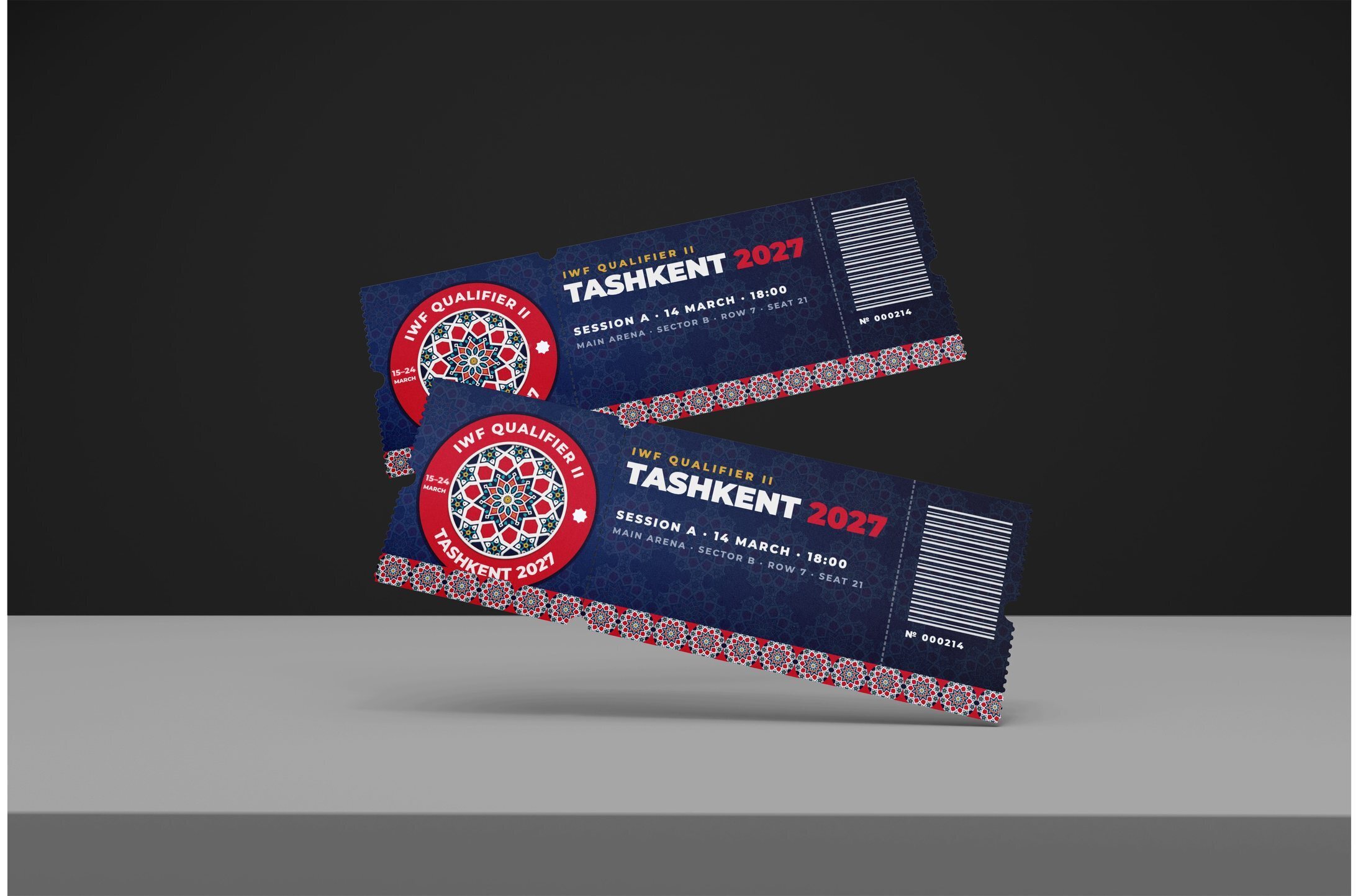
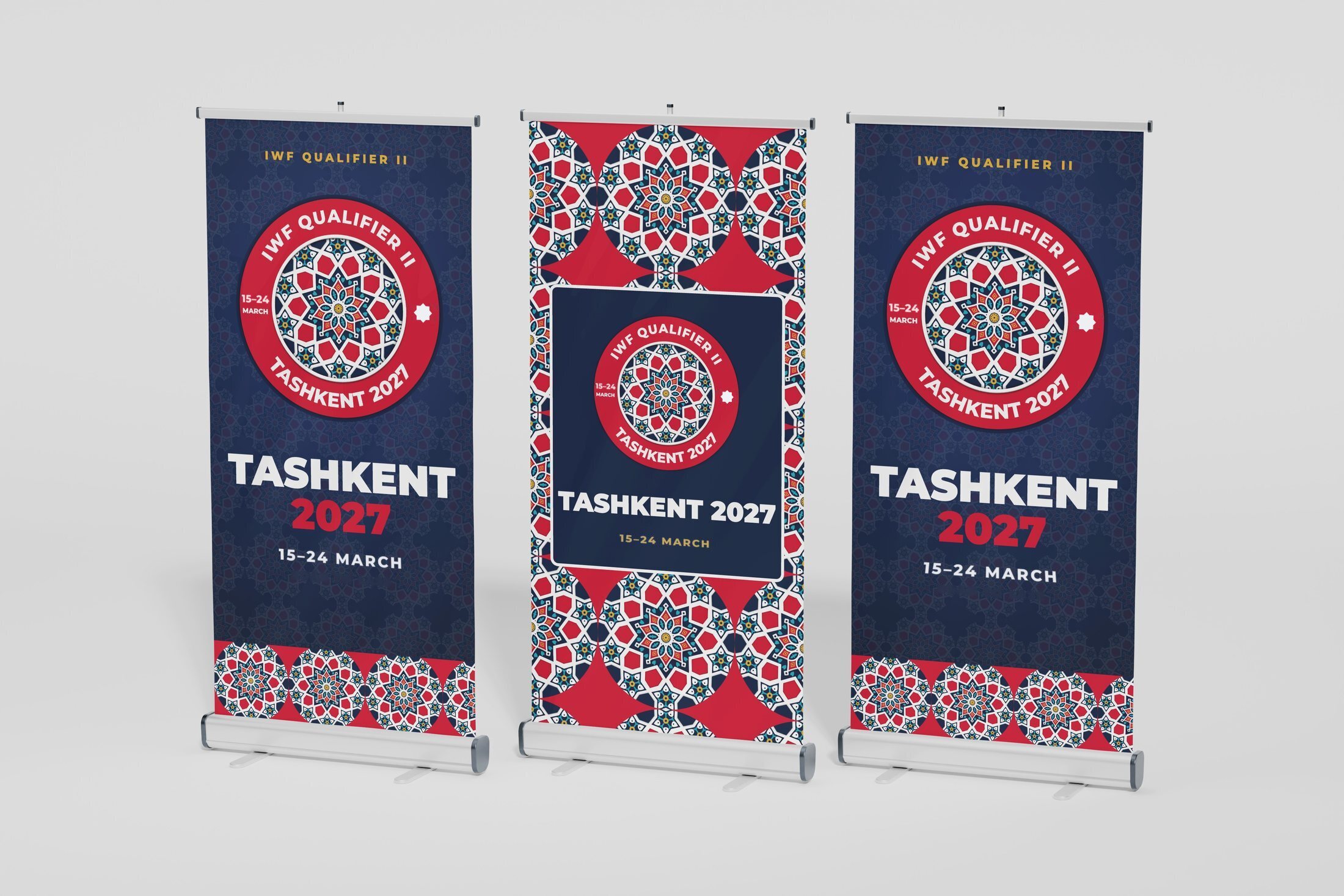
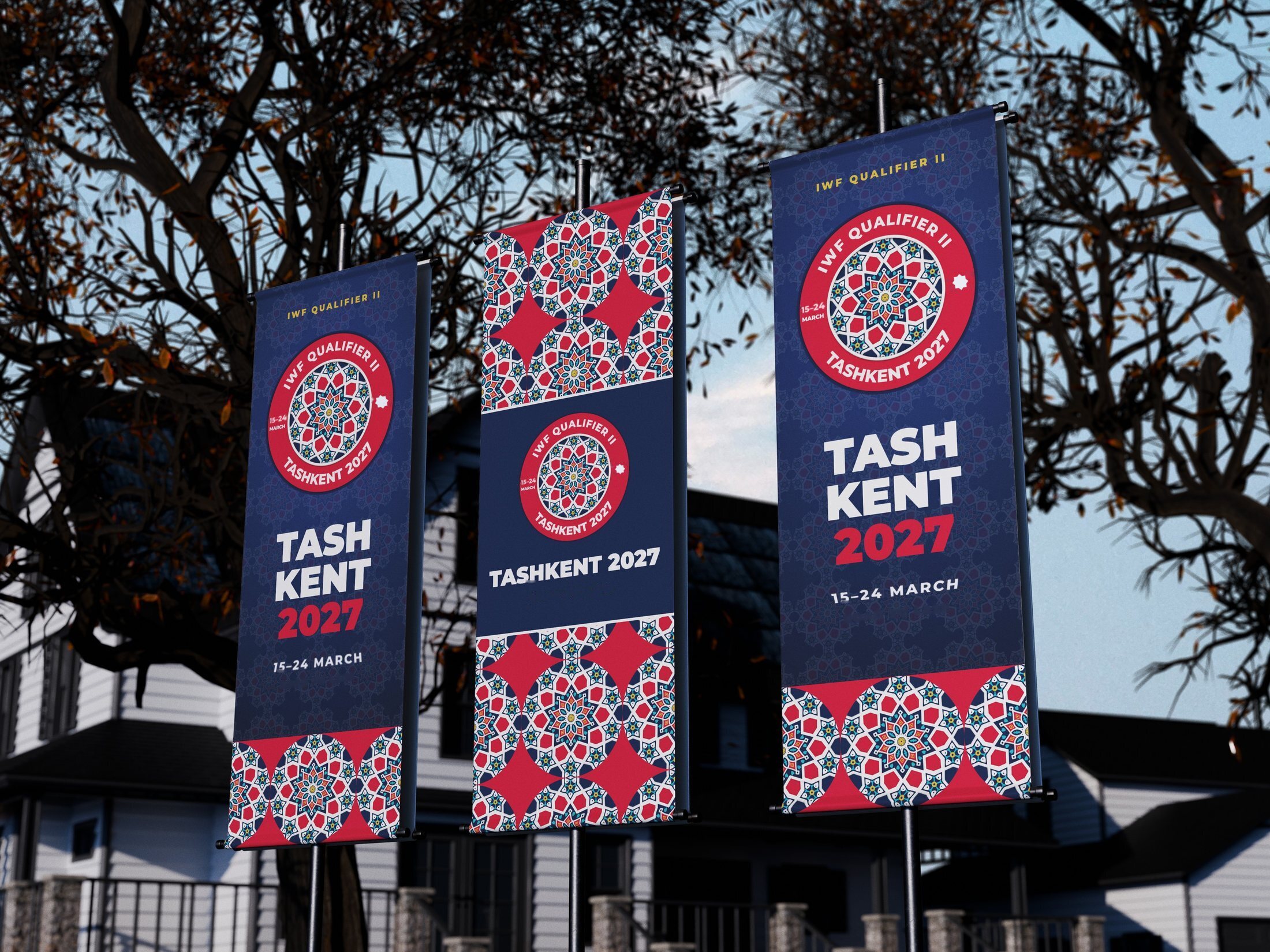
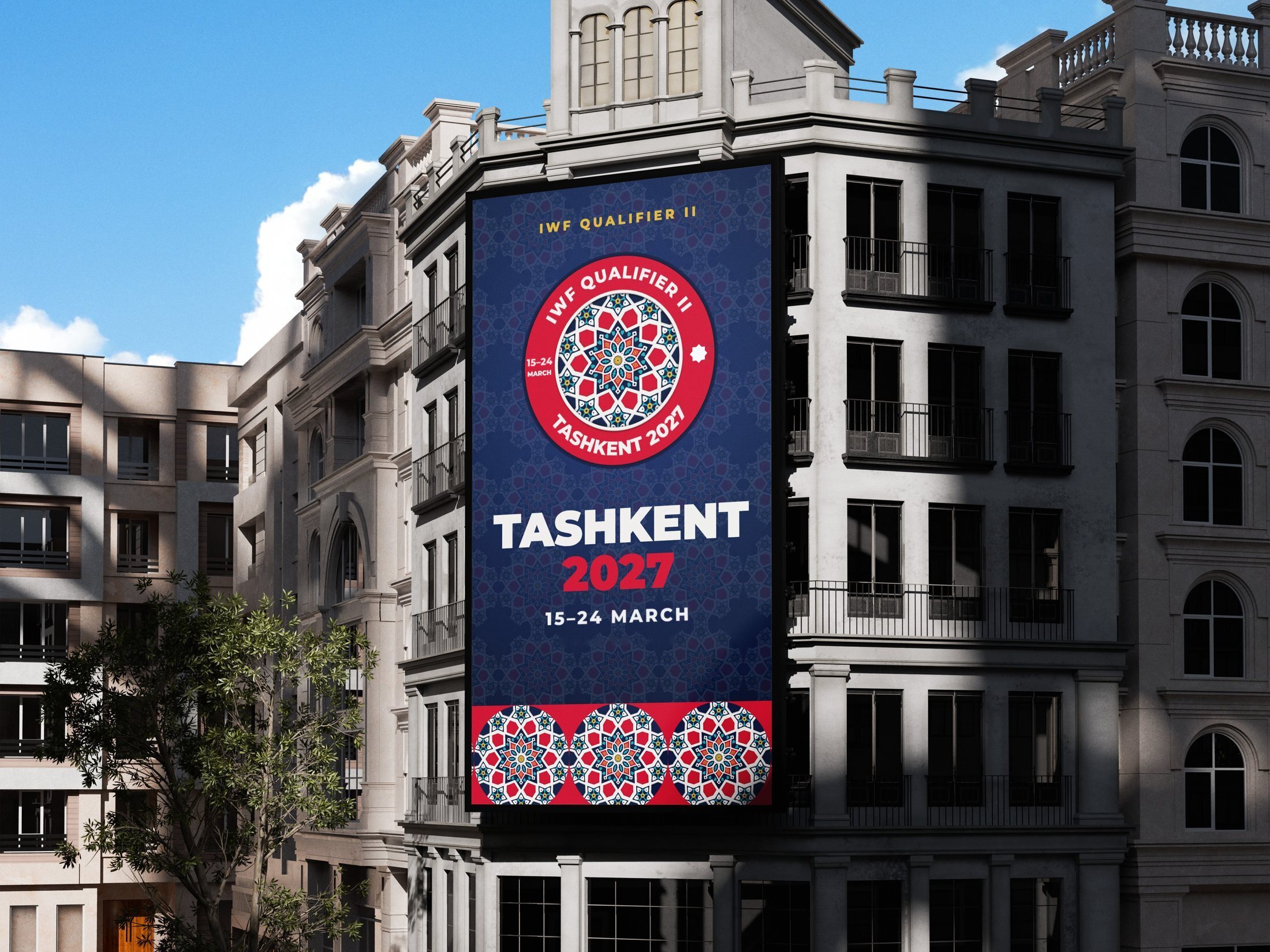
 TASHKENT 2027
The legend of the ten stars
A story written for the emblem, not a historical record.
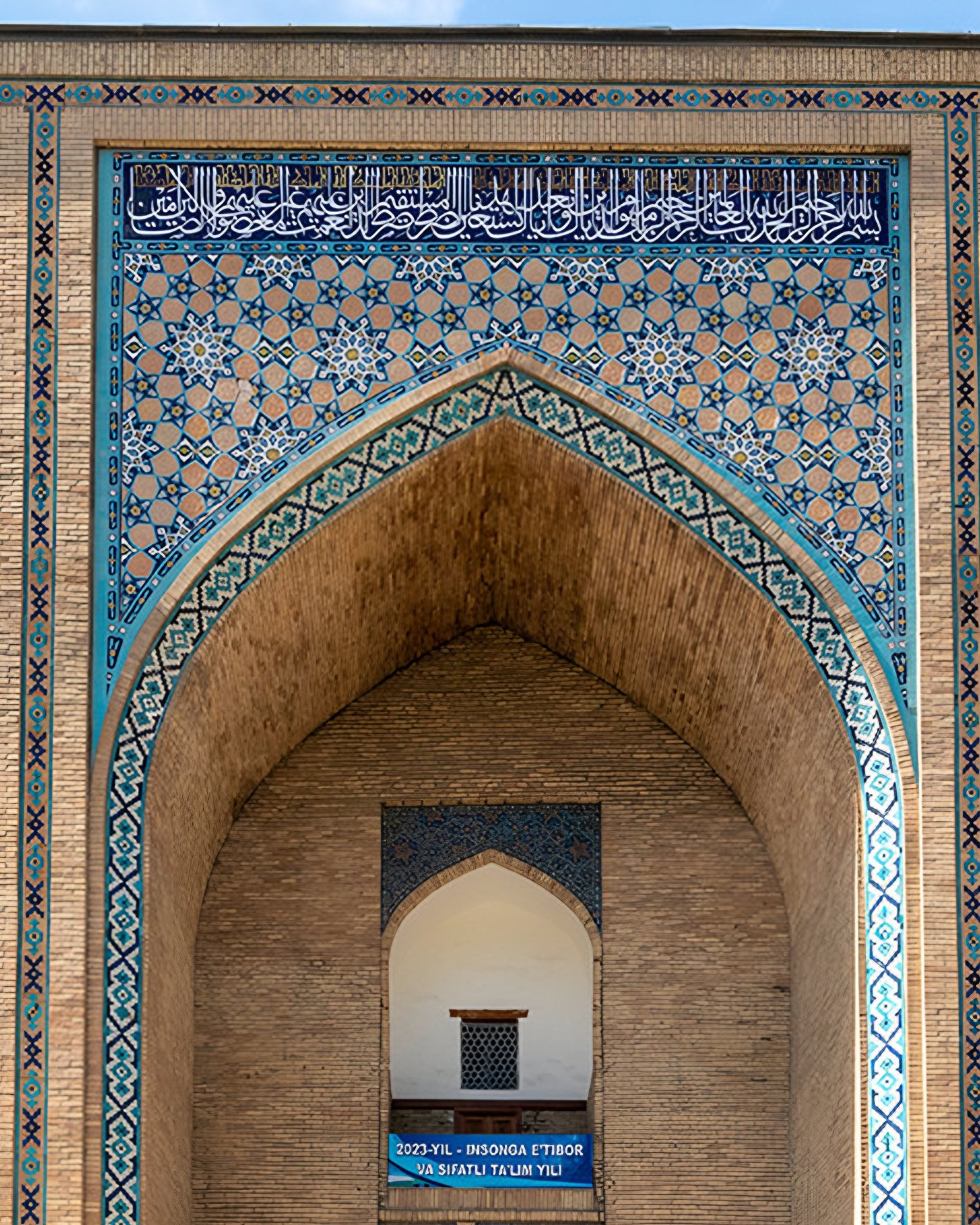
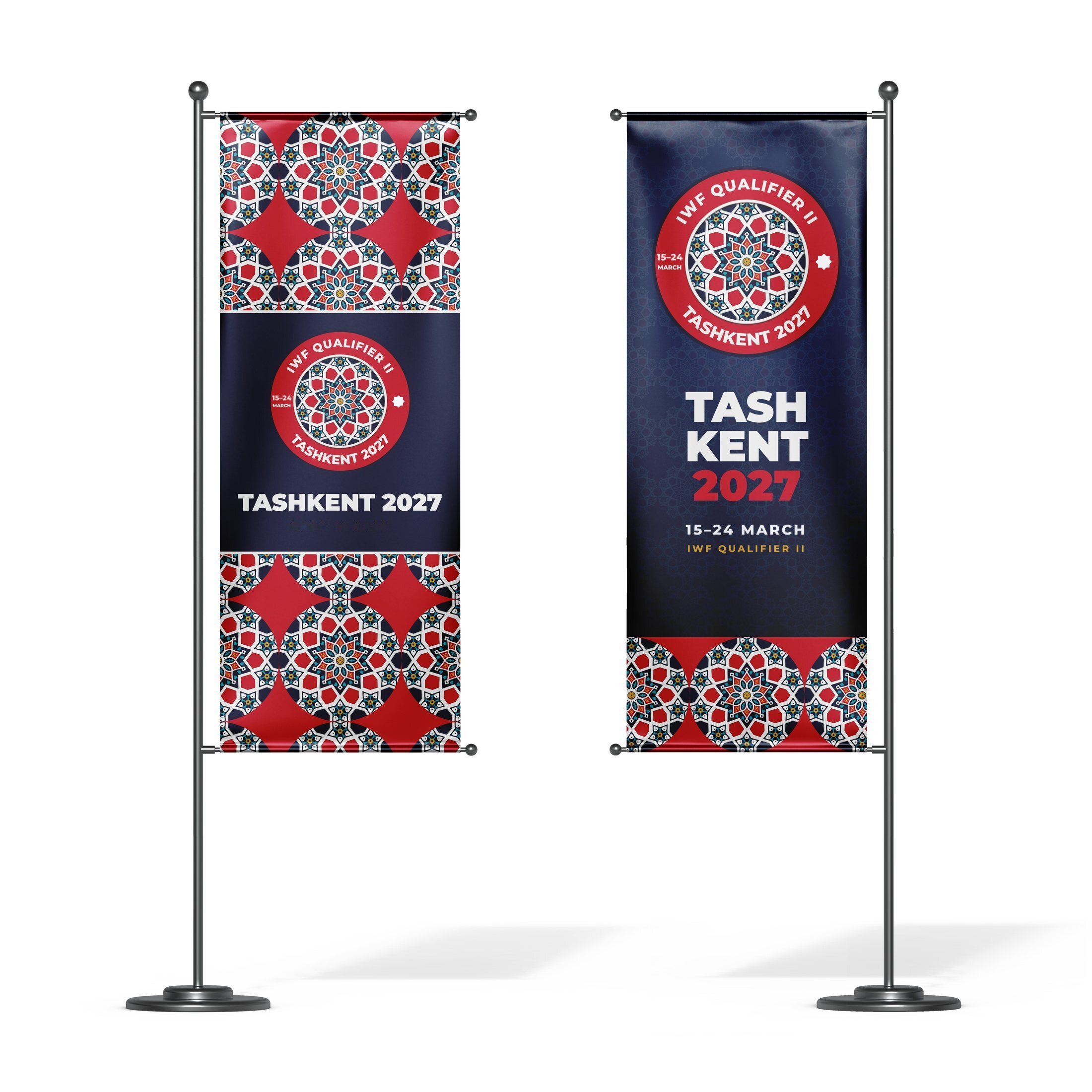
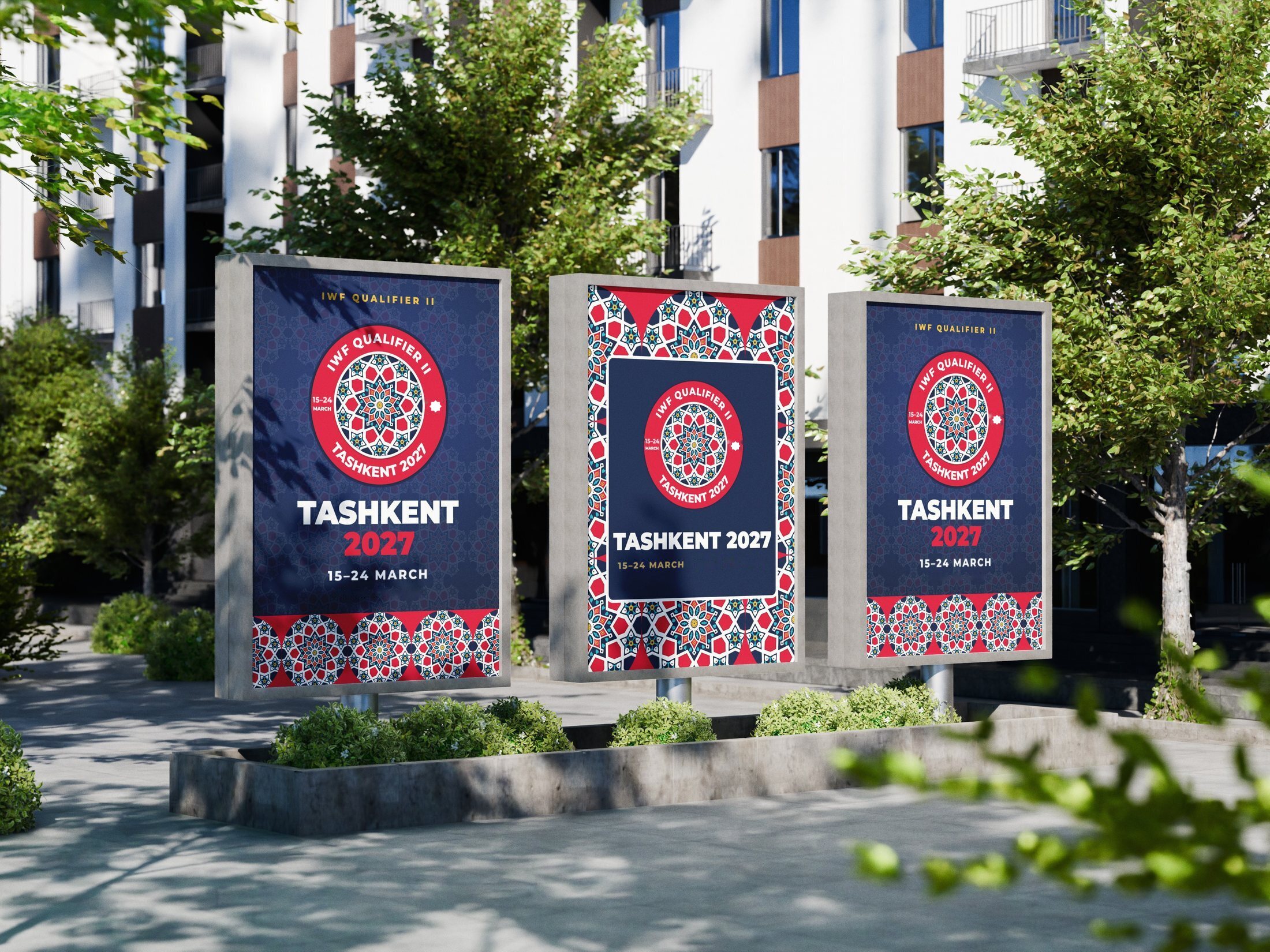
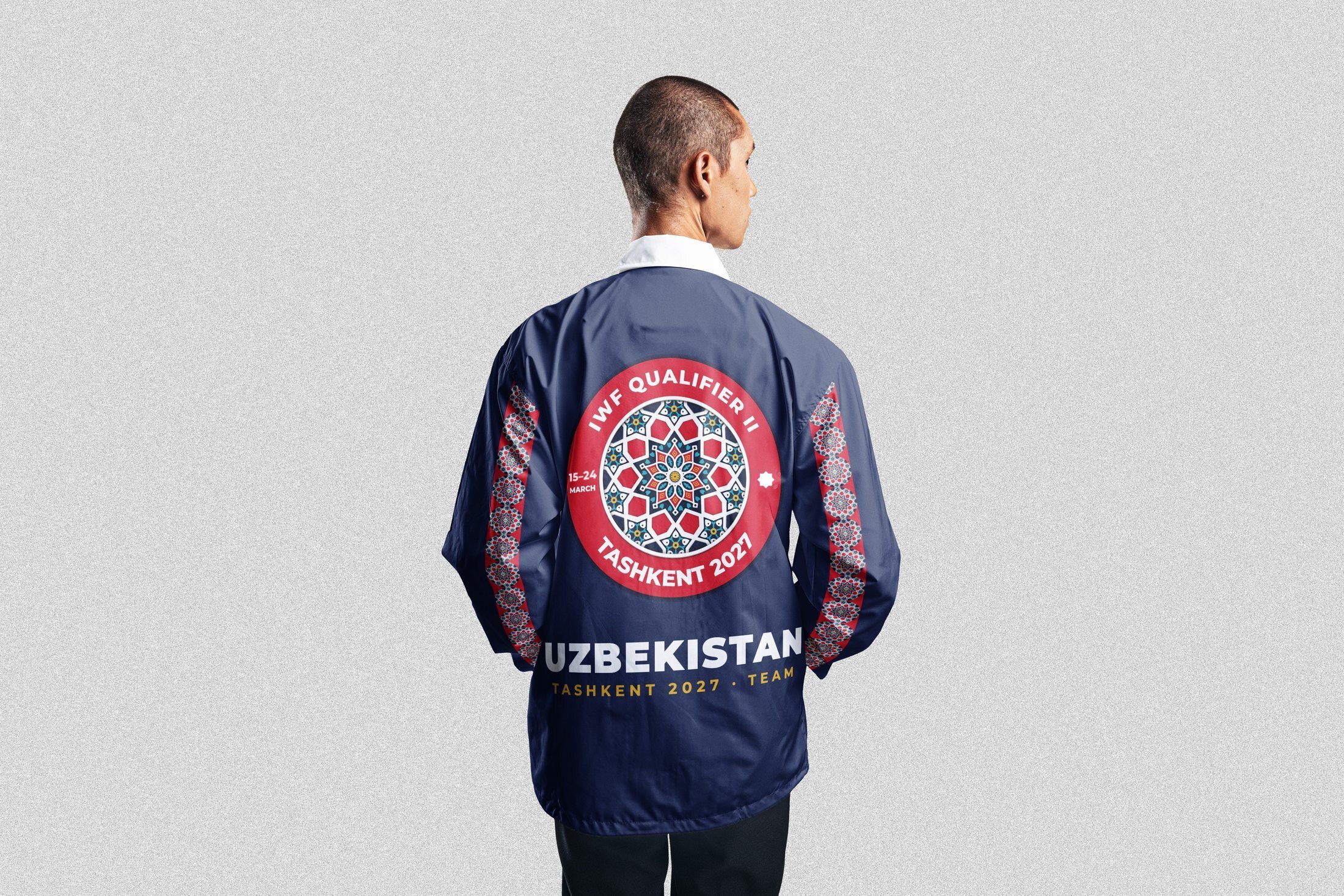
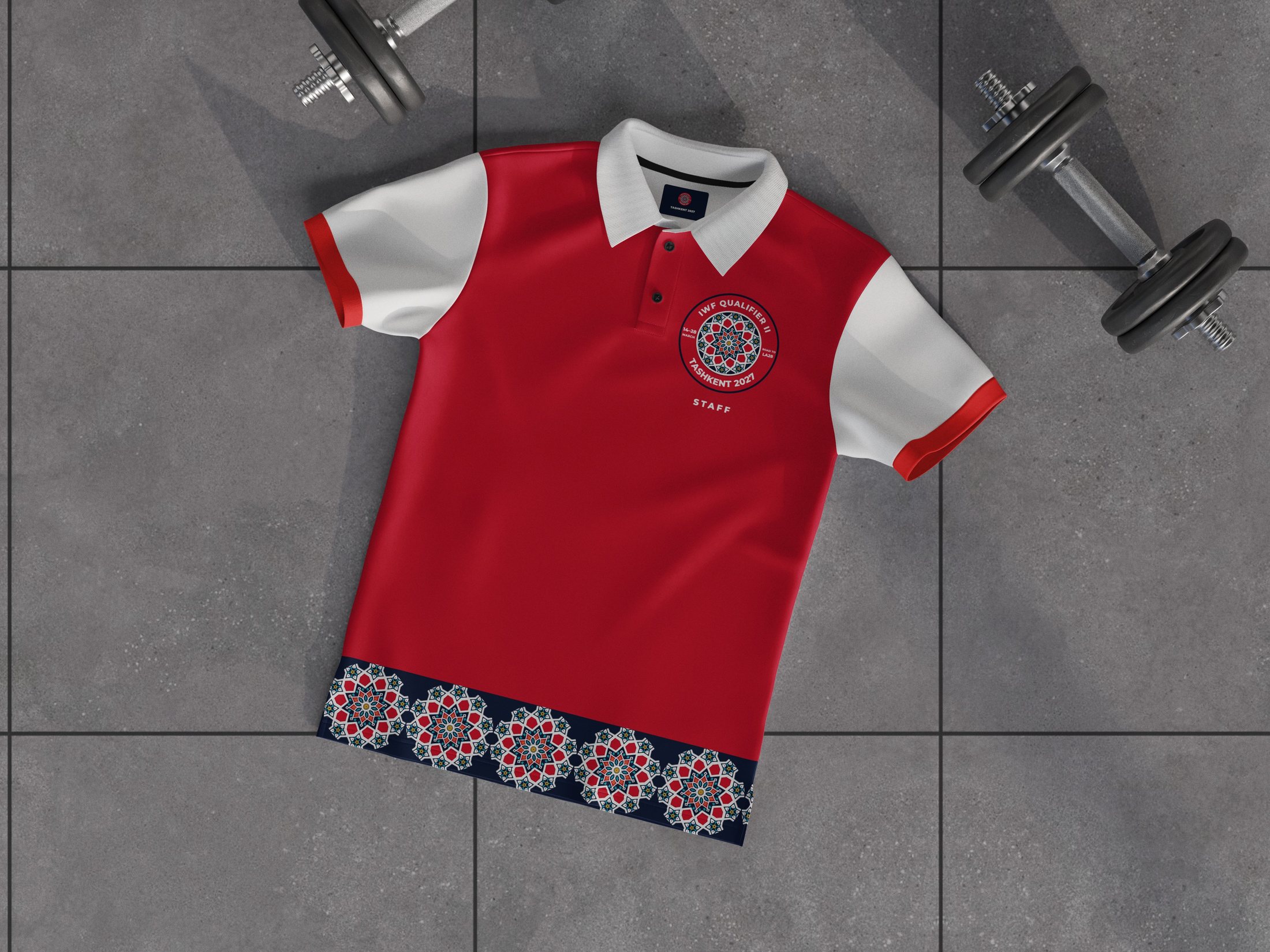
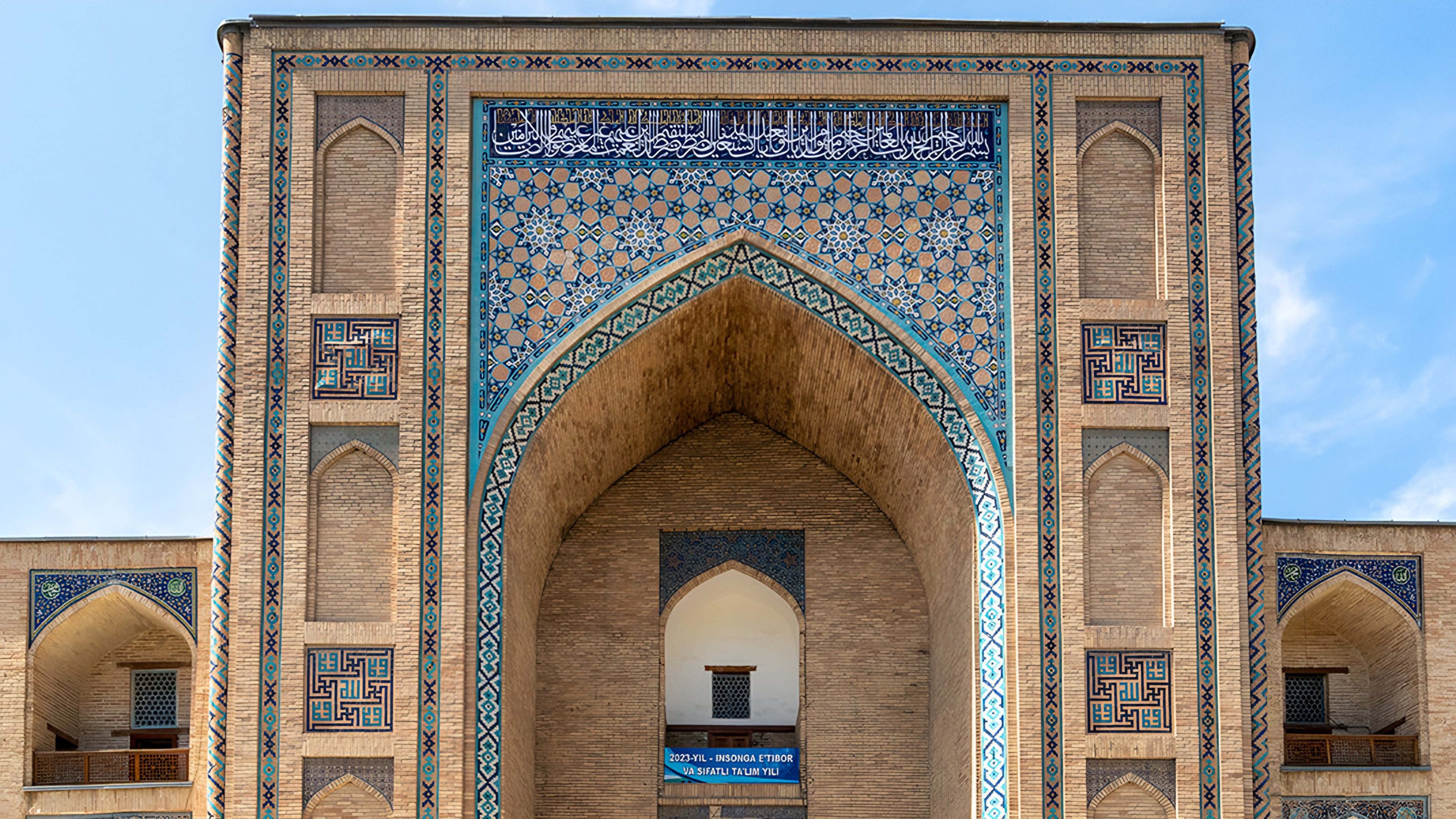
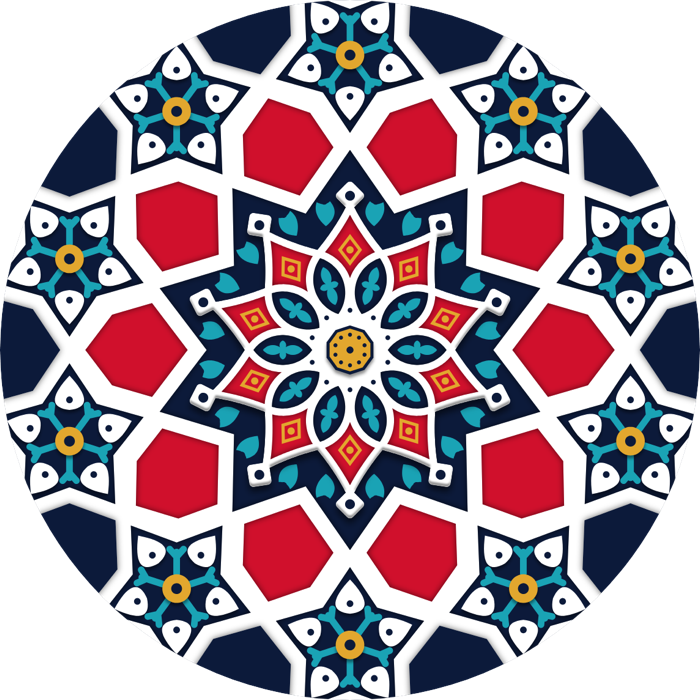
They say the master who laid the stars above the Kukeldash arch worked by night, when the bazaar below had gone quiet. On the first night he set a single star of ten points in the centre of the panel, and around it he left ten empty places.
Each night after, a traveller came up the hill from Chorsu and asked for a place on the wall. A weaver, a smith, a rider, a scholar. The master gave each one a small star of their own, and he bound all ten to the centre with a white band that never breaks. In Persian the masters called this pattern girih: the knot.
Between the stars he laid red tiles, burnt in the kiln until they glowed like coals, for the strength it takes to hold a wall up for four hundred years. And in the very middle he set a disc of gold, so that whoever stood beneath the arch at noon would see the whole rosette catch the sun.
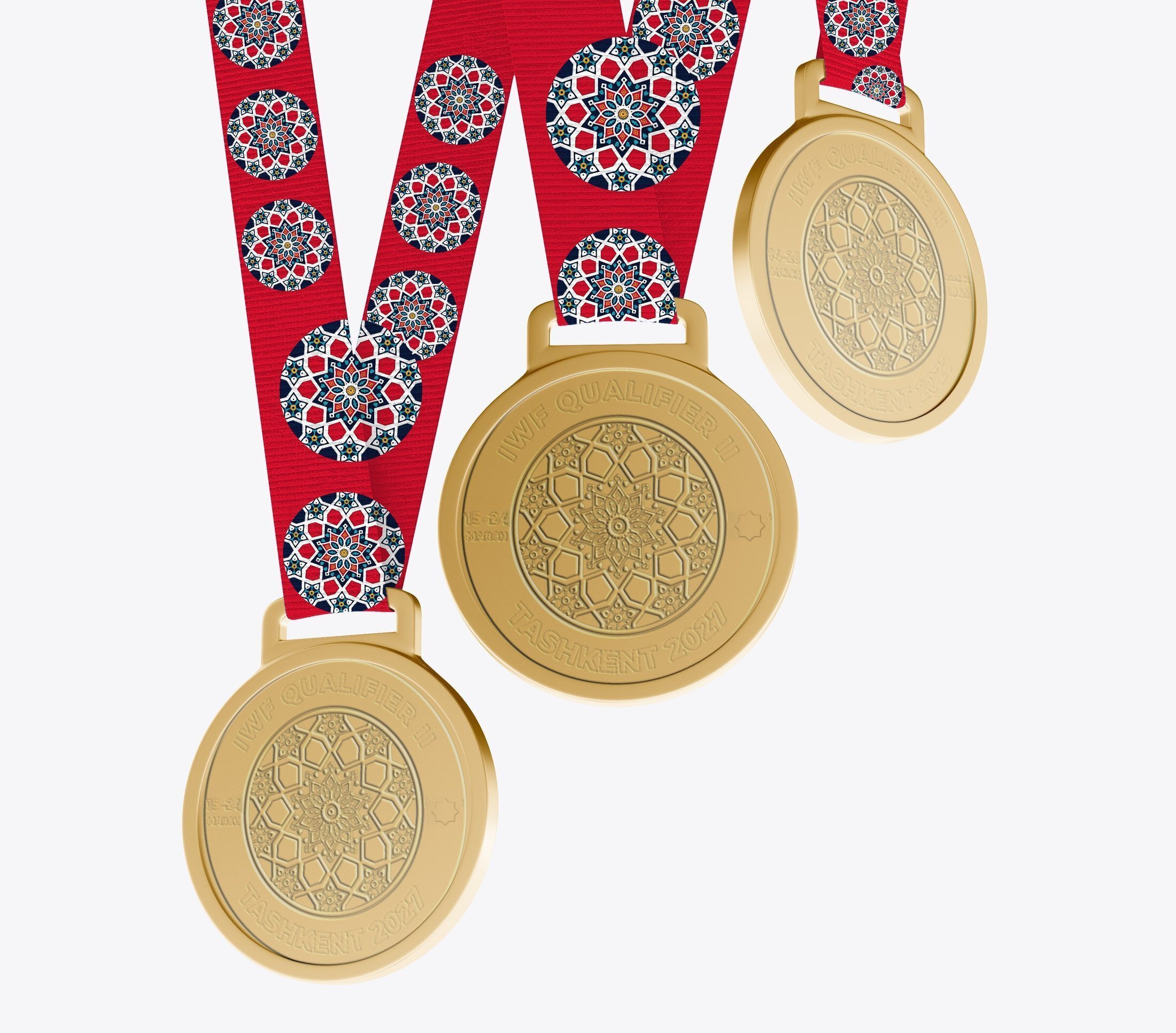
In March 2027 Tashkent opens its doors again, this time to the strongest lifters of the world. The emblem keeps the master's promise: every star has its place, every place is held by the same unbroken knot, and at the centre waits the gold.
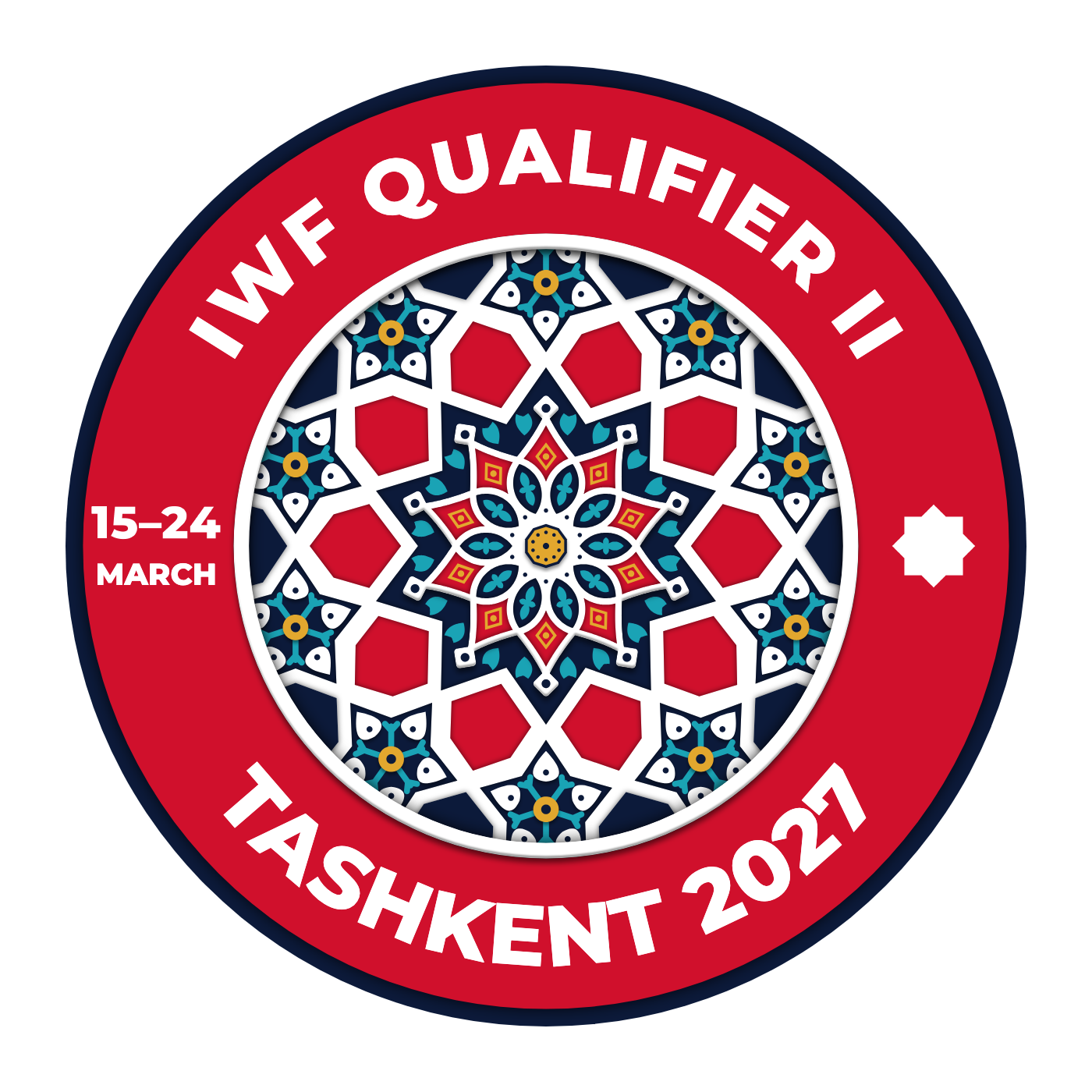
Ten small stars
The nations that come to Tashkent, each with its own place.
The big star
The competition platform, the centre everyone turns to.
The white knot
Girih, the knot: one band that ties every piece together.
Red tiles
Fire from the kiln, and the strength of the lift.
The gold centre
What every athlete is lifting for.